





Stress urinary incontinence is a common condition that affects many men and women, especially after childbirth, surgery, aging, or due to weak pelvic floor muscles. It causes accidental urine leakage during activities such as coughing, sneezing, laughing, exercising, or lifting heavy objects. Although it can be uncomfortable and embarrassing, the good news is that physiotherapy offers an effective, non-surgical solution for managing and improving this condition.
If you are looking for professional and effective Stress Incontinence Physiotherapy Treatment in Gurgaon, expert physiotherapy care can help strengthen pelvic floor muscles, improve bladder control, and restore confidence in daily life.
Understanding Stress Incontinence
Stress incontinence occurs when the pelvic floor muscles and tissues supporting the bladder become weak. Increased pressure on the abdomen during physical activities can then lead to urine leakage. This condition is more common in women after pregnancy and menopause, but men can also experience it after prostate surgery or due to muscle weakness.
Common symptoms include:
- Leakage while coughing or sneezing
- Urine leakage during exercise or walking
- Difficulty controlling bladder movements
- Frequent urge to urinate
- Reduced confidence in social activities
Ignoring these symptoms may affect emotional well-being and daily routine. Early physiotherapy intervention can significantly improve bladder function and quality of life.
Causes of Stress Incontinence
Several factors can contribute to stress urinary incontinence, including:
- Pregnancy and childbirth
- Menopause and hormonal changes
- Obesity
- Chronic coughing
- Pelvic surgery
- Aging-related muscle weakness
- High-impact physical activities
- Neurological conditions
A detailed physiotherapy assessment helps identify the root cause and create a personalized treatment plan.
Role of Physiotherapy in Stress Incontinence
Physiotherapy is considered one of the most effective conservative treatments for stress incontinence. It focuses on strengthening the pelvic floor muscles and improving bladder control naturally without surgery or medication.
Professional physiotherapists use evidence-based techniques to help patients regain muscle strength, coordination, and control.
Benefits of Physiotherapy Treatment
- Strengthens pelvic floor muscles
- Reduces urine leakage episodes
- Improves bladder control
- Enhances core stability
- Boosts confidence and quality of life
- Prevents worsening of symptoms
- Provides a non-invasive treatment option
Effective Physiotherapy Techniques for Stress Incontinence
Pelvic Floor Muscle Training
Pelvic floor exercises, commonly known as Kegel exercises, are highly effective in strengthening muscles that support the bladder and urethra. Physiotherapists guide patients on proper exercise techniques and progression.
Biofeedback Therapy
Biofeedback helps patients understand and activate pelvic floor muscles correctly. It improves muscle coordination and treatment effectiveness.
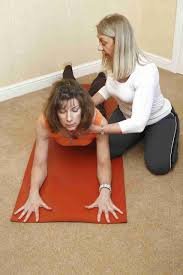
Core Strengthening Exercises
Weak abdominal and core muscles can contribute to pelvic floor dysfunction. Core stability exercises improve posture, support, and bladder control.
Bladder Training
Bladder retraining techniques help increase bladder capacity and reduce urgency and frequency.
Electrical Stimulation Therapy
In some cases, gentle electrical stimulation may be used to activate weak pelvic floor muscles and improve muscle function.
Lifestyle and Postural Guidance
Physiotherapists also provide advice regarding fluid intake, weight management, posture correction, and daily habits that may affect bladder health.
Why Choose Professional Stress Incontinence Physiotherapy Treatment in Gurgaon?
Choosing expert physiotherapy care ensures accurate diagnosis and targeted treatment. Experienced physiotherapists develop customized rehabilitation programs according to the severity of symptoms and patient needs.
Modern physiotherapy clinics in Gurgaon offer advanced rehabilitation techniques, one-on-one guidance, and supportive care to help patients achieve long-term relief from stress incontinence.
If you are searching for reliable and advanced care, visit Gold Medal Physiotherapy for expert treatment and personalized physiotherapy solutions.
Tips to Manage Stress Incontinence
Along with physiotherapy treatment, the following tips can help improve symptoms:
- Practice pelvic floor exercises regularly
- Maintain a healthy body weight
- Avoid excessive caffeine intake
- Stay physically active
- Avoid constipation
- Quit smoking
- Follow bladder training schedules
Consistency in exercises and therapy sessions is essential for long-term improvement.
Conclusion
Stress urinary incontinence can affect physical comfort, emotional confidence, and overall quality of life. However, with the right physiotherapy treatment, patients can successfully manage symptoms and regain bladder control naturally.
Professional Stress Incontinence Physiotherapy Treatment in Gurgaon focuses on strengthening pelvic floor muscles, improving bladder function, and helping individuals return to normal daily activities confidently. Early treatment and expert guidance can make a significant difference in recovery and long-term wellness.