



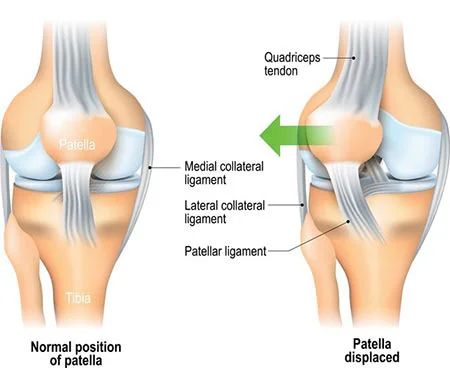
Knee pain is a common problem that affects people of all ages, especially athletes, fitness enthusiasts, and individuals with physically demanding jobs. One of the leading causes of persistent pain around the kneecap is Chondromalacia Patella, a condition that occurs when the cartilage beneath the kneecap becomes damaged or softened. Without proper treatment, it can interfere with daily activities such as walking, climbing stairs, running, and squatting.
If you are looking for Chondromalacia Patella Treatment in Gurgaon, professional physiotherapy can help reduce pain, restore knee function, and prevent future complications.
What is Chondromalacia Patella?
Chondromalacia Patella, often called “runner’s knee,” is a condition where the cartilage on the underside of the patella (kneecap) deteriorates due to excessive pressure, poor kneecap alignment, muscle imbalance, or repetitive stress. It commonly affects young adults, athletes, and people who participate in activities involving repeated knee bending.
Early diagnosis and physiotherapy treatment are essential to prevent further cartilage damage and improve mobility.
Common Symptoms
Some of the most common symptoms include:
- Pain around or behind the kneecap
- Difficulty climbing or descending stairs
- Knee pain after prolonged sitting
- Grinding or clicking sensation in the knee
- Swelling around the kneecap
- Discomfort while squatting or running
- Reduced knee flexibility
Ignoring these symptoms can worsen cartilage damage and lead to chronic knee problems.
Causes of Chondromalacia Patella
Several factors contribute to this condition, including:
- Sports injuries
- Muscle weakness in the thighs and hips
- Poor kneecap tracking
- Flat feet or abnormal foot mechanics
- Overuse from running or jumping
- Obesity
- Previous knee injuries
- Arthritis
A comprehensive physiotherapy assessment helps identify the exact cause before beginning treatment.
How Physiotherapy Helps
Physiotherapy is considered one of the most effective conservative treatments for Chondromalacia Patella. A personalized rehabilitation program focuses on reducing pain while correcting the underlying biomechanical issues.
Treatment may include:
- Detailed physical assessment
- Pain management techniques
- Manual therapy
- Quadriceps strengthening exercises
- Hip and glute strengthening
- Stretching tight muscles
- Patellar taping
- Balance and stability exercises
- Gait correction
- Sports-specific rehabilitation
- Home exercise guidance
Regular physiotherapy sessions help restore knee strength and improve overall function.
Benefits of Early Physiotherapy
Starting treatment early provides several advantages:
- Faster pain relief
- Improved knee stability
- Better flexibility
- Reduced inflammation
- Prevention of further cartilage damage
- Improved athletic performance
- Lower risk of surgery
- Faster return to daily activities
Following a structured rehabilitation program significantly improves long-term outcomes.
Prevention Tips
You can reduce your risk of developing Chondromalacia Patella by:
- Warming up before exercise
- Maintaining a healthy body weight
- Strengthening leg muscles
- Wearing supportive footwear
- Avoiding sudden increases in training intensity
- Improving exercise technique
- Stretching after workouts
- Correcting posture and movement patterns
Preventive physiotherapy is especially beneficial for athletes and active individuals.
Why Choose Professional Physiotherapy?
Experienced physiotherapists provide individualized treatment plans based on your condition, activity level, and recovery goals. Advanced rehabilitation techniques not only relieve pain but also address the root cause of the problem to minimize recurrence.
Whether your knee pain is caused by sports injuries, overuse, or poor biomechanics, expert care can help you regain confidence and mobility.
Professional assessment and evidence-based physiotherapy can help you return to an active, pain-free lifestyle.
FAQs
1. What is Chondromalacia Patella?
It is the softening or damage of the cartilage beneath the kneecap, causing pain and discomfort during movement.
2. What are the symptoms of Chondromalacia Patella?
Common symptoms include knee pain, swelling, grinding sensations, pain while climbing stairs, and discomfort after sitting for long periods.
3. Can physiotherapy treat Chondromalacia Patella?
Yes. Physiotherapy is one of the most effective non-surgical treatments, focusing on pain relief, strengthening muscles, improving alignment, and restoring function.
4. How long does recovery take?
Recovery varies depending on the severity of the condition, but many patients experience improvement within several weeks to a few months with consistent physiotherapy.
5. Is surgery necessary for Chondromalacia Patella?
Most cases can be managed successfully with physiotherapy, exercise, and lifestyle modifications. Surgery is generally considered only when conservative treatments fail.
6. Who is at risk of developing Chondromalacia Patella?
Athletes, runners, cyclists, overweight individuals, and people with previous knee injuries or muscle imbalances are at higher risk.
7. Can I continue exercising with Chondromalacia Patella?
Low-impact activities may be recommended, but it’s important to follow a physiotherapist’s guidance to avoid worsening the condition.