





Pelvic pain is a common condition that affects both men and women and can significantly impact daily life, mobility, and overall well-being. The pain may occur in the lower abdomen, pelvic region, hips, lower back, or groin and can range from mild discomfort to severe, persistent pain. Whether caused by muscle dysfunction, injury, pregnancy, surgery, or chronic medical conditions, seeking professional Pelvic Pain Physiotherapy Treatment can help address the root cause and provide long-term relief.
Physiotherapy is a non-invasive and evidence-based treatment option that focuses on restoring normal movement, reducing pain, and improving the function of the pelvic floor muscles. With personalized assessment and treatment plans, physiotherapists help patients regain comfort and confidence in their daily activities.
Understanding Pelvic Pain
Pelvic pain can develop due to various reasons, including:
- Pelvic floor muscle dysfunction
- Pregnancy and postpartum changes
- Urinary incontinence
- Endometriosis
- Interstitial cystitis
- Chronic pelvic pain syndrome
- Lower back or hip disorders
- Surgical procedures affecting the pelvic region
- Sports injuries
- Nerve irritation or compression
Many people suffer from pelvic pain for months or even years because they are unaware that physiotherapy can effectively treat the condition.
How Pelvic Pain Physiotherapy Treatment Works
A physiotherapist specializing in pelvic health begins with a comprehensive evaluation to identify the underlying causes of pain. This assessment may include posture analysis, movement screening, pelvic floor muscle evaluation, and lifestyle assessment.
Based on the findings, a customized treatment program is developed that may include:
1. Pelvic Floor Muscle Rehabilitation
The pelvic floor muscles support the bladder, bowel, and reproductive organs. Weakness, tightness, or poor coordination in these muscles can contribute to pelvic pain. Specific exercises help improve muscle function and reduce discomfort.
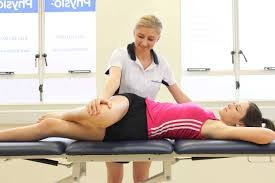
2. Manual Therapy
Hands-on techniques help release muscle tension, improve tissue mobility, and reduce pain in the pelvic region, hips, lower back, and surrounding muscles.
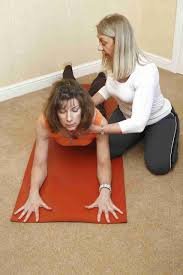
3. Stretching and Mobility Exercises
Targeted stretching improves flexibility and reduces muscle tightness that may contribute to pelvic pain.
4. Core Strengthening
Strengthening the abdominal and core muscles enhances pelvic stability and supports proper movement patterns.
5. Posture Correction
Poor posture can place excessive stress on the pelvis and lower back. Physiotherapists teach proper body mechanics to reduce strain and prevent recurring pain.
6. Pain Management Techniques
Modern physiotherapy may include relaxation techniques, breathing exercises, therapeutic exercises, and education to help patients manage chronic pain effectively.
Benefits of Pelvic Pain Physiotherapy Treatment
Choosing physiotherapy for pelvic pain offers several advantages:
- Non-surgical treatment option
- Reduced pain and discomfort
- Improved pelvic floor muscle function
- Better bladder and bowel control
- Enhanced mobility and flexibility
- Improved posture and body mechanics
- Faster recovery after childbirth or surgery
- Increased confidence and quality of life
- Reduced reliance on medications
Physiotherapy focuses on long-term recovery rather than simply masking symptoms.
Who Can Benefit from Pelvic Pain Physiotherapy?
Pelvic pain physiotherapy treatment is beneficial for:
- Women experiencing pregnancy-related pelvic pain
- Postpartum mothers
- Individuals with chronic pelvic pain syndrome
- Patients recovering from pelvic surgery
- Men with pelvic floor dysfunction
- People suffering from urinary or bowel dysfunction
- Athletes experiencing pelvic or groin pain
- Individuals with lower back pain associated with pelvic instability
Early intervention can prevent symptoms from worsening and promote quicker recovery.
The Importance of Professional Guidance
Every case of pelvic pain is unique. Self-treatment without proper diagnosis may delay recovery or worsen symptoms. A qualified pelvic health physiotherapist can accurately identify the cause of pain and create a personalized rehabilitation plan tailored to individual needs.
With the growing availability of online healthcare services, patients can now access expert guidance through virtual physiotherapy consultations, making treatment more convenient and accessible.
Conclusion
Pelvic pain can interfere with work, exercise, relationships, and daily activities, but effective treatment is available. Pelvic Pain Physiotherapy Treatment offers a safe, evidence-based, and non-invasive solution for managing pain and restoring function. Through specialized exercises, manual therapy, posture correction, and pelvic floor rehabilitation, physiotherapy helps patients achieve lasting relief and improved quality of life.
If you are experiencing pelvic discomfort or chronic pelvic pain, consulting a qualified physiotherapist can be the first step toward recovery and better health.
FAQs About Pelvic Pain Physiotherapy Treatment
1. What is pelvic pain physiotherapy treatment?
Pelvic pain physiotherapy treatment involves specialized assessment and rehabilitation techniques designed to reduce pelvic pain, improve muscle function, and restore normal movement.
2. Who needs pelvic pain physiotherapy?
Individuals experiencing chronic pelvic pain, pregnancy-related pain, postpartum issues, pelvic floor dysfunction, urinary problems, or post-surgical recovery can benefit from physiotherapy.
3. Is pelvic pain physiotherapy safe?
Yes, pelvic physiotherapy is a safe, non-invasive treatment performed by trained professionals using evidence-based techniques.
4. How many physiotherapy sessions are required?
The number of sessions varies depending on the severity, cause, and duration of symptoms. Your physiotherapist will recommend a personalized treatment plan.
5. Can pelvic floor exercises help reduce pelvic pain?
Yes, pelvic floor exercises can improve muscle strength, coordination, and relaxation, which often helps reduce pelvic pain symptoms.
6. Can men undergo pelvic pain physiotherapy treatment?
Absolutely. Men experiencing pelvic floor dysfunction, chronic pelvic pain syndrome, or post-surgical issues can benefit from pelvic physiotherapy.
7. Does physiotherapy help after childbirth?
Yes, physiotherapy helps postpartum women recover from pelvic pain, muscle weakness, and pelvic floor dysfunction after delivery.
8. Can I receive pelvic pain physiotherapy online?
Yes, many clinics now offer online physiotherapy consultations, exercise guidance, and rehabilitation programs for pelvic pain management.