




Muscular dystrophy is a group of genetic neuromuscular conditions that cause progressive muscle weakness and can affect movement, posture, balance, endurance, and everyday activities. While there is no single physiotherapy treatment that can cure muscular dystrophy, a carefully planned rehabilitation program can help maintain mobility, manage stiffness, support independence, and improve quality of life. For people looking for Muscular Dystrophy Treatment in Gurgaon, individualized physiotherapy can be an important part of long-term supportive care.
Understanding Muscular Dystrophy
Muscular dystrophy includes several types, such as Duchenne muscular dystrophy, Becker muscular dystrophy, limb-girdle muscular dystrophy, and myotonic dystrophy. Symptoms and progression can vary considerably depending on the type and individual.
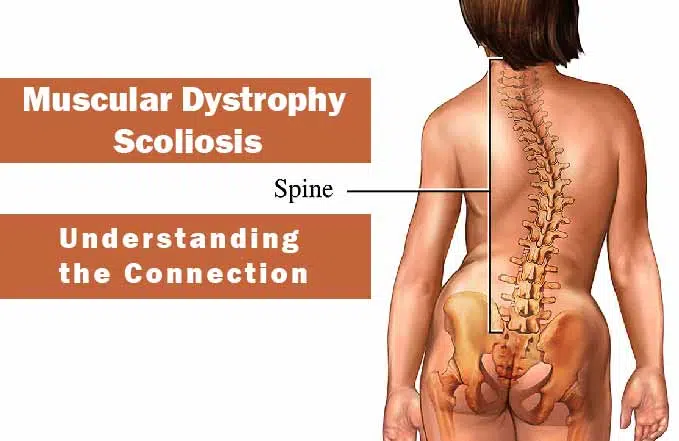
Common difficulties may include muscle weakness, frequent falls, reduced flexibility, fatigue, difficulty climbing stairs, changes in walking pattern, joint stiffness, contractures, and problems maintaining posture. Some forms may also affect respiratory muscles and other body systems, so treatment should be coordinated with the appropriate medical specialists.
How Physiotherapy Can Help
Physiotherapy focuses on maintaining functional ability and preventing avoidable complications rather than excessively strengthening weakened muscles. Rehabilitation plans are customized according to the person’s age, diagnosis, disease stage, muscle strength, mobility, and tolerance.
A physiotherapist may work on:
- Gentle stretching and flexibility exercises
- Joint range-of-motion activities
- Postural and positioning techniques
- Balance and coordination training
- Safe functional mobility
- Gait training when appropriate
- Energy conservation strategies
- Breathing and respiratory support exercises when indicated
- Assistive-device and orthotic recommendations
- Home exercise and caregiver education
Consensus recommendations emphasize regular stretching, appropriate positioning, preservation of mobility, and individualized physical activity while avoiding excessive muscle loading.
Importance of Individualized Exercise
Exercise for muscular dystrophy needs special care. High-resistance or excessive exercise may place additional stress on vulnerable muscles. Rehabilitation professionals generally recommend activity that is appropriate to the individual’s condition, with adequate rest and monitoring for fatigue or overuse.
Depending on the person’s abilities and medical advice, gentle aerobic activities, functional movements, and suitable water-based activities may be considered. The exercise program should be adjusted as the condition changes rather than following a standard routine.
Managing Stiffness and Contractures
Reduced movement can contribute to tight muscles and joint contractures. Regular, carefully performed stretching and positioning can help preserve available joint movement and support comfortable posture. Orthoses or splints may also be recommended for selected patients following professional assessment.
A rehabilitation program should be reviewed regularly because mobility, muscle strength, and functional requirements can change over time.
Respiratory and Functional Support
Some muscular dystrophies can affect respiratory muscles. Physiotherapy may include appropriate breathing techniques, airway-clearance support, and education when clinically indicated. Rehabilitation can also focus on making everyday activities safer and more manageable through energy conservation, positioning, mobility aids, and caregiver training.
For individuals with progressive conditions, long-term rehabilitation and periodic reassessment are important. A multidisciplinary approach may involve neurologists, physiotherapists, occupational therapists, respiratory specialists, orthotists, and other healthcare professionals depending on individual needs.
Why Choose Professional Muscular Dystrophy Rehabilitation in Gurgaon?
Professional physiotherapy provides an opportunity to develop a treatment plan based on the patient’s current functional abilities and goals. Instead of using aggressive strengthening methods, the focus can be on safe movement, flexibility, posture, mobility, comfort, and maintaining independence for as long as possible.
If you or a family member has muscular dystrophy, consult a qualified healthcare professional before beginning a new exercise program. Muscular Dystrophy Treatment in Gurgaon through individualized physiotherapy and rehabilitation can provide supportive care tailored to the person’s changing needs.
FAQs About Muscular Dystrophy Treatment in Gurgaon
1. Can physiotherapy cure muscular dystrophy?
No. Muscular dystrophy is a group of genetic disorders, and physiotherapy does not cure the underlying genetic condition. It can, however, help manage symptoms, preserve mobility, reduce stiffness, and support functional independence.
2. What does muscular dystrophy physiotherapy include?
Treatment may include gentle stretching, range-of-motion exercises, posture management, balance and mobility training, breathing support when appropriate, energy conservation, and caregiver education.
3. Is exercise safe for people with muscular dystrophy?
Appropriately prescribed activity can be beneficial, but exercise must be individualized. Excessive resistance, overexertion, and activities that place excessive stress on vulnerable muscles should be avoided.
4. How often should physiotherapy be done?
Frequency depends on the type and stage of muscular dystrophy, functional ability, and individual goals. A physiotherapist can create and regularly update an appropriate home and clinical rehabilitation program.
5. Can physiotherapy help with joint stiffness?
Yes. Gentle stretching, positioning, and range-of-motion exercises may help maintain available joint movement and manage stiffness and contracture risk.
6. Is physiotherapy useful after wheelchair use begins?
Yes. Rehabilitation can continue to focus on comfortable positioning, flexibility, posture, transfers, pressure management, upper-limb function, respiratory support, and maintaining independence.
7. Should muscular dystrophy patients do strength training?
Strength training should not be started without professional assessment. Depending on the specific diagnosis, carefully selected low-load or submaximal activities may be appropriate, while excessive loading should be avoided.
8. When should someone seek physiotherapy for muscular dystrophy?
Physiotherapy can be useful from the early stages and throughout the condition. Early assessment allows a professional to identify mobility limitations, stiffness, posture issues, and appropriate strategies for maintaining function.
9. Can children with muscular dystrophy receive physiotherapy?
Yes. Children can benefit from age-appropriate rehabilitation designed around their diagnosis, abilities, development, safety, and functional goals. A pediatric neuromuscular team should guide the overall care plan.
10. How can I find Muscular Dystrophy Treatment in Gurgaon?
Look for a qualified physiotherapist experienced in neurological or neuromuscular rehabilitation. The treatment should be individualized and coordinated with the patient’s medical team when necessary.