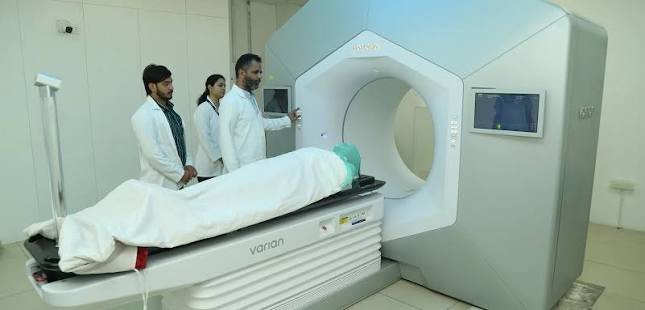






Neuralgia is a type of nerve pain that can feel sharp, burning, stabbing, or like an electric shock. It occurs when a nerve becomes irritated, compressed, or damaged. The pain may appear in different parts of the body depending on the affected nerve. Common forms include trigeminal neuralgia, occipital neuralgia, postherpetic neuralgia, and peripheral neuralgia.
For people experiencing persistent or recurring nerve pain, Neuralgia Treatment in Gurgaon may involve a personalized approach focused on identifying contributing factors, reducing discomfort, improving movement, and supporting daily function. Physiotherapy can be one component of care for selected types of nerve pain, particularly when muscle tension, posture, restricted mobility, or mechanical pressure contributes to symptoms.
Common Symptoms of Neuralgia
Neuralgia symptoms can vary according to the nerve involved. Patients may experience sudden shooting or stabbing pain, burning sensations, tingling, numbness, increased sensitivity to touch, muscle weakness, or involuntary muscle twitching. Some people experience intermittent attacks, while others may have persistent discomfort.
Because similar symptoms can occur with several neurological and musculoskeletal conditions, proper assessment is important before beginning treatment. A healthcare professional may evaluate muscle strength, sensation, reflexes, movement, and other neurological signs. Depending on the suspected cause, additional investigations such as blood tests, MRI, CT scans, or nerve conduction studies may be recommended.
How Physiotherapy May Help
Physiotherapy can be useful for some people with nerve-related pain, particularly when physical factors are contributing to symptoms. Depending on the individual’s condition, a physiotherapist may use gentle mobility exercises, therapeutic exercises, posture correction, soft-tissue techniques, and other appropriate rehabilitation methods.
The treatment plan should be individualized because neuralgia has different causes and presentations. The goal may include improving mobility, reducing muscle stiffness, supporting functional movement, and helping the patient gradually return to normal activities. Physical therapy is recognized as one possible component of treatment for neuropathic pain.
At a physiotherapy clinic in Gurgaon, an assessment can help determine which rehabilitation strategies are appropriate for the patient’s symptoms. The clinic’s services include physiotherapy and nerve-pain-related care, with treatment plans tailored to individual complaints.
Why Early Assessment Matters
Ignoring recurring nerve pain may make everyday activities more difficult. Neuralgia can sometimes be associated with conditions such as diabetes, shingles, nerve compression, injury, or other neurological disorders. Therefore, treatment should focus not only on managing pain but also on identifying the possible underlying cause.
If pain is severe, persistent, associated with significant weakness or loss of sensation, or accompanied by other concerning symptoms, medical evaluation should be sought promptly. Depending on the cause, treatment may involve medication, physiotherapy, nerve blocks, or specialist interventions.
Neuralgia Treatment in Gurgaon
Choosing appropriate Neuralgia Treatment in Gurgaon starts with understanding the type and source of nerve pain. A customized rehabilitation program can help address relevant physical limitations while complementing medical management when required. Patients should avoid self-prescribing exercises or treatments because certain nerve conditions can require specialized medical care.
With appropriate assessment, education, and a structured rehabilitation plan, many patients can work toward better movement, improved comfort, and greater confidence in their daily activities.
FAQs About Neuralgia Treatment
1. What is neuralgia?
Neuralgia refers to pain caused by irritation or damage to a nerve. It commonly produces sharp, burning, stabbing, or electric-shock-like sensations.
2. What are common symptoms of neuralgia?
Common symptoms include shooting or stabbing pain, burning, tingling, numbness, increased sensitivity, and sometimes muscle weakness or twitching.
3. Can physiotherapy help with neuralgia?
Physiotherapy may help selected patients, particularly when movement restrictions, muscle tightness, posture, or mechanical factors contribute to nerve-related symptoms. A professional assessment is recommended before treatment.
4. How is neuralgia diagnosed?
Diagnosis generally involves a medical and neurological assessment. Depending on the suspected cause, doctors may recommend blood tests, imaging, or nerve conduction studies.
5. Where can I seek Neuralgia Treatment in Gurgaon?
People looking for Neuralgia Treatment in Gurgaon can consult a qualified physiotherapy professional for an assessment and individualized rehabilitation plan. Medical evaluation may also be necessary to identify and manage the underlying cause.